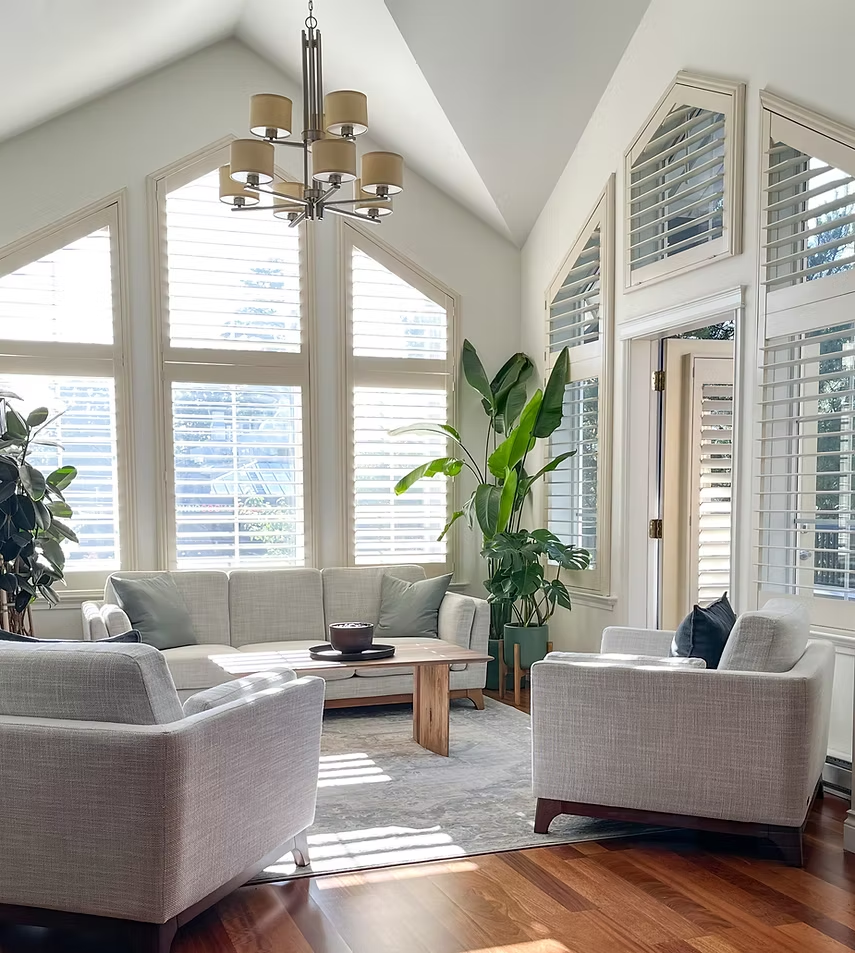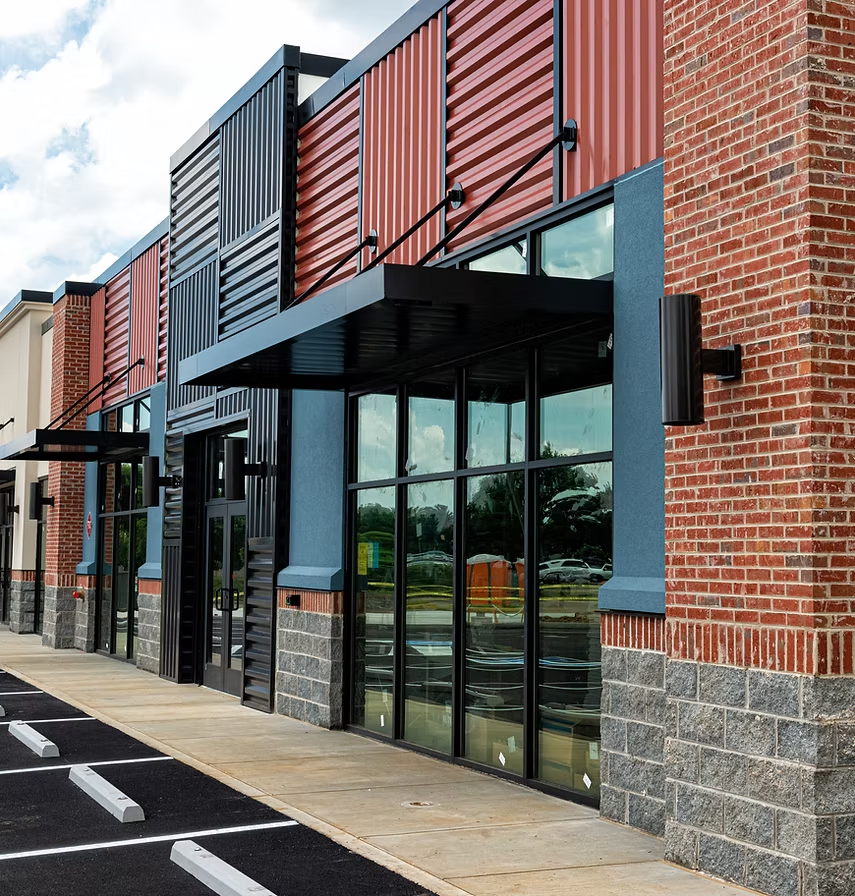
Restaurants, cafés, and retail stores depend heavily on presentation.
Customers begin forming impressions before they order a meal, sit down with a coffee, browse a display, or speak with an employee. Walls, ceilings, entrances, trim, doors, and other visible surfaces all contribute to the atmosphere of a commercial space.
For businesses in Kanata and Barrhaven, professional commercial painting can provide a practical way to refresh an interior, modernize an older color scheme, reinforce brand identity, and improve the overall customer environment without undertaking a complete renovation.
Commercial spaces, however, require a different painting strategy from typical residential interiors.
Restaurant walls may encounter food splashes, fingerprints, chairs, cleaning, and constant customer traffic. Cafés need finishes that complement lighting and create an inviting atmosphere. Retail stores must withstand carts, merchandise movement, shelving changes, customers, and frequent contact.
Commercial coating manufacturers offer systems specifically designed around durability, abrasion resistance, cleaning, and demanding hospitality environments. Some commercial-grade coatings are designed to tolerate frequent washing and provide greater abrasion resistance than products intended for less demanding surfaces.
The right commercial painting plan therefore considers much more than color.
It considers surface preparation, durability, washability, business hours, drying and curing requirements, customer traffic, brand presentation, lighting, and long-term maintenance.
Low Mountain Painting provides professional commercial painting services for small to mid-sized commercial properties throughout Kanata, Barrhaven, Stittsville, Riverside South, Manotick, Greely, and surrounding Ottawa communities, with careful planning designed to help businesses refresh their spaces efficiently.
Why Appearance Matters in Customer-Facing Businesses
Customers experience a commercial space visually before they evaluate many other details.
They notice:
- Cleanliness
- Lighting
- Wall condition
- Color
- Décor
- Signage
- Furniture
- Flooring
- Overall maintenance
Paint contributes to almost all of these impressions.
Fresh, coordinated walls can make a business feel more polished.
Worn walls can have the opposite effect.
Commercial Painting Is Part of the Customer Experience
A restaurant may serve excellent food.
A café may prepare exceptional coffee.
A retailer may offer excellent products.
But customers still experience the physical environment surrounding those services.
A commercial interior with:
- Scuffed walls
- Peeling paint
- Visible repairs
- Dirty-looking corners
- Faded colors
can create an unintended impression.
Professional painting helps keep the physical environment aligned with the quality a business wants customers to associate with its brand.
Restaurants Have Unique Painting Requirements
Restaurant interiors are demanding environments.
Different sections of the same restaurant may require very different coating characteristics.
Areas can include:
- Entrance
- Reception or host area
- Dining room
- Hallways
- Washrooms
- Staff areas
- Selected back-of-house spaces
The coating chosen for a quiet decorative wall may not be appropriate for a high-contact corridor.
Dining Room Walls Need Durability
Dining areas experience frequent activity.
Walls may be exposed to:
- Chairs
- Hands
- Food splashes
- Beverage spills
- Cleaning
- Constant customer movement
A durable, washable finish can make routine maintenance easier.
Commercial coating guides specifically identify abrasion resistance, cleanability, and frequent washing as important performance characteristics for hospitality environments.
Cafés Need to Balance Atmosphere and Durability
Cafés often use interior design to create a particular feeling.
Some aim for:
- Warm and comfortable
- Minimal and modern
- Bright and energetic
- Sophisticated
- Natural and relaxed
Paint can establish much of that atmosphere without changing furniture or fixtures.
Warm neutrals, muted greens, deep blues, earthy tones, and controlled accent colors can all create distinctive café environments.
Durability should still remain part of the decision.
Retail Stores Need Paint That Handles Traffic
Retail environments can be especially demanding.
Walls may encounter:
- Customers
- Shopping carts
- Merchandise
- Display racks
- Shelving
- Boxes
- Staff equipment
- Frequent layout changes
Paint needs to support both appearance and maintenance.
High-contact areas may benefit from coatings designed for improved scrub and abrasion resistance.
Your Walls Are Part of Your Brand
Commercial paint colors should not be chosen independently from the business.
Color can reinforce:
- Brand personality
- Signage
- Logos
- Furniture
- Packaging
- Displays
A carefully planned interior makes branding feel integrated rather than added afterward.
Brand Colors Do Not Need to Cover Every Wall
One common mistake is assuming a brand color should dominate the entire interior.
If a business uses a strong red, blue, orange, or green in its logo, painting every wall that color can overwhelm the space.
Instead, businesses can use:
- Neutral primary walls
- Brand-colored accents
- Feature walls
- Architectural details
This keeps the space visually balanced.
Create a Strong Entrance
The entrance is one of the most important areas in any customer-facing business.
Customers may see:
- Entry doors
- Reception walls
- Host stations
- Product displays
- Signage
within seconds.
Fresh paint helps create a cleaner introduction to the business.
Restaurant Reception and Host Areas
The host area sets expectations for the dining experience.
Paint should complement:
- Lighting
- Flooring
- Furniture
- Signage
- Restaurant concept
A sophisticated restaurant may use deeper tones and controlled lighting, while a casual family restaurant may benefit from brighter and more approachable colors.
Café Counter Areas
The service counter is often the focal point of a café.
Paint can help visually define it.
A deeper accent behind the counter may draw attention toward:
- Menu boards
- Branding
- Product displays
while lighter surrounding walls keep the overall space open.
Retail Feature Walls
Feature walls can be useful in retail spaces.
They may help:
- Highlight products
- Frame displays
- Direct attention
- Create branded photo opportunities
The accent should support the merchandise rather than compete with it.
Color Can Influence How Merchandise Is Seen
Retail paint should provide an appropriate background for products.
A store selling colorful merchandise may benefit from restrained wall colors.
A boutique with a limited product palette may use stronger architectural color.
The goal is to ensure the walls support the merchandise.
Lighting Changes Commercial Paint Colors
Commercial interiors often rely heavily on artificial lighting.
A paint color can look completely different under:
- Warm LEDs
- Cool LEDs
- Spotlights
- Pendant lighting
- Natural daylight
Color samples should be evaluated under the lighting actually used by the business.
Restaurants Often Use Warm Lighting
Warm lighting can make certain colors appear:
- More golden
- Warmer
- Softer
Warm neutrals and earthy tones may work beautifully in these environments.
However, some beige or yellow-based colors can become too warm under strongly warm lighting.
Testing is essential.
Retail Lighting May Be Brighter and Cooler
Retail environments often use brighter lighting to improve product visibility.
Cooler lighting can emphasize blue or grey undertones in paint.
A neutral that looks warm on a sample card may appear noticeably cooler inside the store.
Paint Finish Matters in Commercial Interiors
Choosing color is only half of the decision.
Sheen influences:
- Appearance
- Washability
- Durability
- Light reflection
- Visibility of surface imperfections
The appropriate finish depends on the location.
Matte Finishes
Matte finishes can create an elegant appearance and help reduce the visibility of minor wall imperfections.
However, commercial spaces should use products with sufficient cleanability for the intended area rather than selecting a finish based on sheen alone.
Modern commercial coatings can offer strong performance across multiple sheen levels.
Eggshell Finishes
Eggshell can provide a useful balance between:
- Low reflection
- Appearance
- Washability
It may work well in selected dining rooms, cafés, and retail areas.
Satin Finishes
Satin provides more sheen and is often useful where greater washability is desired.
Possible applications include:
- Corridors
- High-contact walls
- Washrooms
- Busy customer areas
The exact product should be selected according to the surface and maintenance requirements.
Semi-Gloss Finishes
Semi-gloss is commonly considered for:
- Doors
- Frames
- Trim
- Selected high-contact surfaces
Its higher sheen can make cleaning easier, although it may reveal more surface imperfections.
High-Traffic Areas Need Special Attention
Not every wall experiences the same level of wear.
Businesses should identify areas such as:
- Entrances
- Narrow corridors
- Checkout lines
- Service counters
- Washroom hallways
- Seating areas
These areas may need more durable coatings than decorative walls with little physical contact.
Washability Is Important
Commercial walls need to remain presentable.
Washable coatings can help businesses address:
- Fingerprints
- Scuffs
- Food marks
- Dirt
- Everyday stains
without immediately requiring repainting.
Some high-performance commercial acrylic and epoxy coatings are specifically formulated to tolerate frequent cleaning and resist stains or abrasion.
Surface Preparation Determines the Quality of the Result
Even premium commercial paint can perform poorly if applied over an inadequately prepared surface.
Commercial walls may contain:
- Nail holes
- Anchor holes
- Old signage damage
- Shelving marks
- Dents
- Grease
- Dirt
- Previous repairs
- Peeling paint
These conditions should be addressed before finish coats are applied.
Restaurant Walls May Require Additional Cleaning
Food-service environments can accumulate airborne cooking residue and other contamination.
Painting directly over greasy or contaminated surfaces can interfere with adhesion.
Preparation may include:
- Cleaning
- Degreasing
- Scraping loose material
- Sanding
- Repairing
- Priming where appropriate
Retail Walls Often Have Display Damage
Retail spaces change frequently.
When shelving, signs, or merchandise displays are removed, walls may contain:
- Screw holes
- Anchors
- Adhesive residue
- Uneven patches
- Color differences
Professional preparation helps restore these areas before repainting.
Primer May Be Necessary
Commercial surfaces may need primer when dealing with:
- Bare drywall
- Repairs
- Stains
- Strong color changes
- Difficult existing surfaces
Primer selection should match both the substrate and the intended finish coating.
Low-VOC and Low-Odor Options for Occupied Businesses
Paint-related odor and emissions can be important considerations when a business needs to return to normal operation.
Low- and zero-VOC coating technologies are widely available, including waterborne systems. The EPA notes that product selection should consider VOC content together with performance characteristics such as durability and hiding ability rather than treating a low-VOC label as the only requirement.
This is especially relevant for occupied commercial environments.
Low-VOC Does Not Mean Choosing the Wrong Product for the Job
A coating still needs to perform.
The correct product should balance:
- VOC considerations
- Durability
- Washability
- Surface compatibility
- Appearance
- Drying and curing requirements
Commercial painting is about finding the right system for the actual environment.
Scheduling Commercial Painting Around Business Hours
One of the biggest concerns for business owners is disruption.
Closing a restaurant or store unnecessarily can affect:
- Revenue
- Customers
- Employees
- Deliveries
- Operations
Commercial painting should therefore be carefully scheduled.
Painting During Off-Hours
Depending on the project and operating schedule, work may be planned:
- After closing
- Before opening
- On slower days
- During scheduled closures
- In phases
The exact plan should account for product drying and curing requirements before customers and employees return.
Phased Commercial Painting
Large spaces do not always need to be completed simultaneously.
A restaurant might be divided into sections.
A retailer may complete one area while another remains operational.
Phased work can reduce disruption when practical.
Fast Drying Does Not Mean Fully Cured
This distinction is important.
A coating may feel dry relatively quickly but still require additional time before it reaches sufficient cure for washing, impact, or heavy use.
Businesses should follow the selected product’s technical specifications when planning reopening or returning fixtures to service.
Protecting Furniture and Merchandise
Commercial painting requires careful protection.
Depending on the business, this can include:
- Tables
- Chairs
- Displays
- Shelving
- Equipment
- Flooring
- Fixtures
- Merchandise
Planning these details before work begins can help the project move more efficiently.
Protecting Food-Service Areas
Restaurant painting requires particular care around food, preparation areas, equipment, and surfaces.
Painting schedules and work zones should be coordinated with the operator so that food and sensitive equipment are appropriately removed, isolated, or protected as required.
Food-service operational and sanitation requirements remain the responsibility of the facility and applicable authorities.
Dining Rooms Can Be Refreshed Without a Complete Renovation
Restaurant interiors can become visually dated long before furniture or fixtures need replacement.
Repainting can help modernize:
- Dining walls
- Entrance areas
- Selected ceilings
- Trim
- Doors
- Architectural details
A new palette can dramatically change the atmosphere without reconstructing the space.
Café Painting Can Reinforce a New Concept
A café undergoing rebranding may not need a full interior renovation.
Changing wall colors can help introduce a new:
- Brand identity
- Atmosphere
- Visual theme
when coordinated with signage and furnishings.
Retail Painting Between Tenants
Commercial properties frequently require painting when tenants change.
A new retailer may need to:
- Remove previous branding
- Repair display holes
- Neutralize strong colors
- Introduce new brand colors
- Refresh doors and trim
Professional painting can help prepare the space for the next opening.
Retail Painting During Store Refreshes
Businesses do not need to wait for a complete renovation.
A store can be refreshed by repainting:
- Feature walls
- Checkout areas
- Fitting rooms
- Display zones
- Entrances
This can help update the customer experience with less disruption than a major remodel.
Painting Restaurant Washrooms
Washrooms require coatings appropriate for:
- Humidity
- Cleaning
- Frequent use
Durability and washability should be prioritized.
Any active moisture problem should be addressed before painting.
Café Washrooms
Even small washrooms contribute to customer perception.
Fresh paint, clean trim, and coordinated colors can help the space feel more carefully maintained.
Retail Fitting Rooms
Fitting rooms are highly visible customer spaces.
Wall color can affect:
- Brightness
- Perceived cleanliness
- Clothing appearance
- Overall comfort
Neutral colors often provide a flexible background for merchandise.
Doors and Trim Receive Heavy Contact
Commercial doors and frames may be touched hundreds of times over relatively short periods.
They can quickly accumulate:
- Fingerprints
- Scuffs
- Chips
- Scratches
Durable coatings appropriate for doors and trim can make ongoing maintenance easier.
Don’t Forget Ceilings
Ceilings can influence the entire commercial interior.
They may become:
- Discolored
- Stained
- Dull
- Visibly patched
A clean ceiling can make the space feel brighter and more finished.
Active leaks or other causes of staining should be corrected before repainting.
Dark Ceilings Can Create Atmosphere
Restaurants and cafés sometimes use dark ceilings to create:
- Intimacy
- Visual depth
- Industrial character
Dark ceilings can also help certain exposed mechanical elements visually recede.
However, they can reduce perceived brightness, so lighting should be considered carefully.
Retail Ceilings Often Benefit From Brightness
Many retail stores benefit from lighter ceilings because they help maintain an open, bright environment.
The ideal choice depends on the store concept and lighting plan.
Color Psychology Should Not Be Oversimplified
It is common to hear claims that specific colors automatically make customers hungry, relaxed, or more likely to buy.
Real environments are more complicated.
Customer perception depends on:
- Branding
- Lighting
- Décor
- Culture
- Merchandise
- Furniture
- Layout
Color should therefore be selected as part of the complete design rather than according to simplistic rules.
Popular Color Directions for Restaurants
Depending on the concept, restaurants may consider:
- Warm white
- Taupe
- Terracotta-inspired neutrals
- Deep green
- Navy
- Charcoal
- Warm greige
The palette should support the dining experience and brand.
Popular Café Color Directions
Cafés may work well with:
- Cream
- Warm white
- Muted sage
- Earthy beige
- Soft taupe
- Deep green accents
Natural wood and warm lighting can complement these colors beautifully.
Popular Retail Color Directions
Retail spaces often benefit from a more restrained background.
Options may include:
- Warm white
- Soft greige
- Light taupe
- Pale grey
- Controlled brand-color accents
This allows products to remain the visual focus.
Exterior Commercial Painting
The customer experience begins outside.
Depending on the building and lease responsibilities, exterior painting may include appropriate:
- Doors
- Trim
- Storefront elements
- Other paintable exterior surfaces
A clean exterior can reinforce the presentation created inside.
Storefront Painting in Kanata
Kanata contains numerous commercial areas serving residents, employees, and visitors.
A well-maintained storefront can help a business present a professional appearance within a busy commercial environment.
Professional painting can refresh both independent businesses and appropriate tenant spaces within larger properties.
Commercial Painting in Barrhaven
Barrhaven continues to support a wide variety of restaurants, cafés, professional services, and retail businesses.
Commercial interiors experience constant customer traffic.
Regular painting can help maintain a clean, polished appearance while supporting branding and customer experience.
How Often Should a Commercial Space Be Repainted?
There is no universal schedule.
Repainting frequency depends on:
- Customer traffic
- Wall finish
- Cleaning frequency
- Furniture contact
- Business type
- Color
- Existing condition
High-contact areas may require attention earlier than low-traffic decorative spaces.
Signs It May Be Time to Repaint
Business owners should consider repainting when they notice:
- Heavy scuffing
- Permanent stains
- Faded colors
- Peeling
- Numerous touch-ups
- Visible repairs
- Outdated branding
- Worn doors and trim
A business rebrand or renovation may also provide a natural opportunity.
Maintenance Painting Can Reduce the Need for Major Refreshes
Commercial painting does not always need to involve the entire property.
A maintenance strategy can prioritize:
- Entrances
- Corridors
- High-contact walls
- Doors
- Trim
- Customer service areas
Keeping these surfaces maintained can extend the useful appearance of the overall paint scheme.
Commercial Painting Before a Grand Opening
Painting should be planned early enough to allow for:
- Repairs
- Surface preparation
- Painting
- Drying and curing
- Fixture installation
- Cleaning
- Merchandise setup
Leaving painting until immediately before opening can create unnecessary scheduling pressure.
Commercial Painting During Rebranding
A new brand identity often involves:
- New signage
- New colors
- New furniture
- Updated displays
Painting can provide the background that ties these changes together.
Common Commercial Painting Mistakes
Choosing Paint Only by Color
Performance characteristics matter in commercial environments.
Using Low-Durability Coatings in High-Traffic Areas
Frequent cleaning and physical contact can quickly reveal the wrong product choice.
Skipping Surface Preparation
Commercial walls often contain damage that must be repaired before painting.
Ignoring Lighting
Artificial lighting can substantially change color appearance.
Painting Over Grease or Contamination
Surfaces must be appropriately cleaned.
Rushing Reopening
Dry-to-touch and fully cured are not the same thing.
Using Too Many Brand Colors
Strong colors can overwhelm customers and merchandise.
Ignoring Doors and Trim
These high-contact surfaces often show wear before walls do.
Painting Over Moisture Damage
The underlying cause should be corrected first.
Why Professional Commercial Painting Matters
Commercial painting requires coordination.
The painter must consider:
- Business hours
- Customer access
- Employee access
- Furniture and merchandise
- Surface preparation
- Coating durability
- Drying and curing
- Color consistency
- Project sequencing
The objective is not simply to repaint walls.
It is to refresh the business while minimizing unnecessary disruption.
Commercial Painting Services in Kanata and Barrhaven
Low Mountain Painting provides professional commercial painting for small to mid-sized commercial spaces in Kanata, Barrhaven, and surrounding Ottawa communities.
Projects may include appropriate:
- Restaurants
- Cafés
- Retail spaces
- Offices
- Rental properties
- Small commercial buildings
Each commercial project can be planned around the condition, operating requirements, surfaces, and desired finished appearance of the property.
A Commercial Painting Planning Checklist
Before beginning a project, business owners can consider:
- Which walls receive the most traffic?
- Which surfaces require frequent cleaning?
- Are there holes from signage or shelving?
- Does the existing color still match the brand?
- Are doors and trim worn?
- Are ceilings discolored?
- Can work be completed in phases?
- What are the business’s operating hours?
- How much drying and curing time does the selected coating require?
- Does merchandise need to be moved?
- Are low-odor or low-VOC products desirable?
- Are there moisture or surface problems that need repair?
Answering these questions helps create a more efficient commercial painting plan.
Conclusion
Restaurants, cafés, and retail stores need interiors that work as hard as the businesses themselves.
For commercial properties in Kanata and Barrhaven, paint contributes to much more than decoration. It affects first impressions, branding, perceived cleanliness, atmosphere, and the overall customer experience.
Commercial environments also demand durability.
Dining rooms, corridors, entrances, fitting rooms, service areas, doors, and other high-contact surfaces may require coatings capable of handling frequent cleaning, abrasion, stains, and everyday traffic. Commercial coating guidance confirms that hospitality environments often benefit from finishes selected specifically for durability, cleanability, and resistance to repeated use.
Preparation is equally important.
Grease, dirt, old signage holes, shelving damage, stains, loose paint, and previous repairs should be addressed before new coatings are applied.
Scheduling should also reflect the realities of the business. Painting can often be organized around operating hours or completed in phases where practical, while drying and curing requirements should always be respected before spaces return to heavy use.
Low- and zero-VOC options may also be considered for occupied commercial environments, provided the selected product delivers the durability and performance the space requires.
Low Mountain Painting provides professional commercial painting services throughout Kanata, Barrhaven, Stittsville, Riverside South, Manotick, Greely, and surrounding Ottawa communities, helping small and mid-sized businesses create clean, durable, and professional spaces designed around their day-to-day operations.
Frequently Asked Questions
What type of paint is best for restaurants?
The appropriate coating depends on the area. Dining rooms, corridors, doors, washrooms, and other spaces have different requirements. High-contact areas generally benefit from durable, washable commercial coatings.
What paint finish works well in cafés?
Eggshell or satin may work well on many café walls depending on the product, traffic, cleaning requirements, and desired appearance. Doors and trim may benefit from more durable finishes.
What paint is best for high-traffic retail walls?
Commercial coatings with good scrub, stain, and abrasion resistance are often appropriate. The exact product should be selected according to the substrate and expected use.
Can a restaurant be painted without closing for several days?
Potentially. Depending on the scope and coating requirements, work may be scheduled after hours or completed in phases. Adequate drying and curing time must still be allowed.
Are low-VOC paints suitable for commercial spaces?
Yes. Many commercial low- and zero-VOC coatings are available. Product selection should consider both VOC characteristics and required performance, including durability and cleanability.
How can paint reinforce a business’s branding?
Brand colors can be introduced through selected feature walls or architectural details while neutral backgrounds keep the overall environment balanced.
Should a retail store use neutral wall colors?
Neutral colors can provide an effective background for merchandise, but the best palette depends on the store’s products, lighting, brand, and overall design.
How often should restaurants and retail stores be repainted?
There is no fixed interval. Customer traffic, cleaning, surface contact, coating quality, and existing condition should determine when repainting is needed.
Should restaurant walls be cleaned before painting?
Yes. Dirt, grease, food residue, and other contaminants can interfere with adhesion and should be appropriately removed before coating.
Can painting refresh a commercial space without a full renovation?
Yes. New wall colors, repaired surfaces, refreshed trim, doors, ceilings, and selected feature areas can significantly change the appearance of a business without major construction.
Can commercial painting be completed around operating hours?
Depending on the project, painting may be scheduled outside normal operating hours or completed in phases. Product drying and curing requirements need to be included in the schedule.
Why hire professional commercial painters in Kanata or Barrhaven?
Professional commercial painting combines surface preparation, durable product selection, scheduling, protection of surrounding property, consistent application, and project sequencing. This can help a restaurant, café, or retail store achieve a polished refresh while minimizing unnecessary disruption to operations.