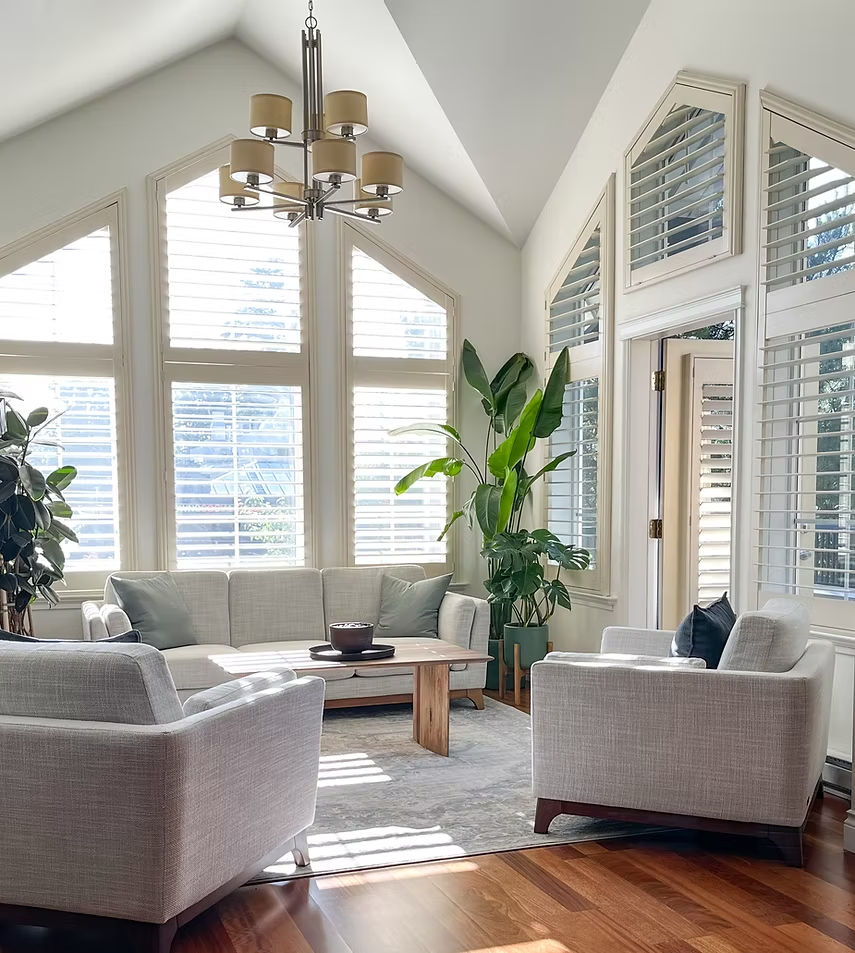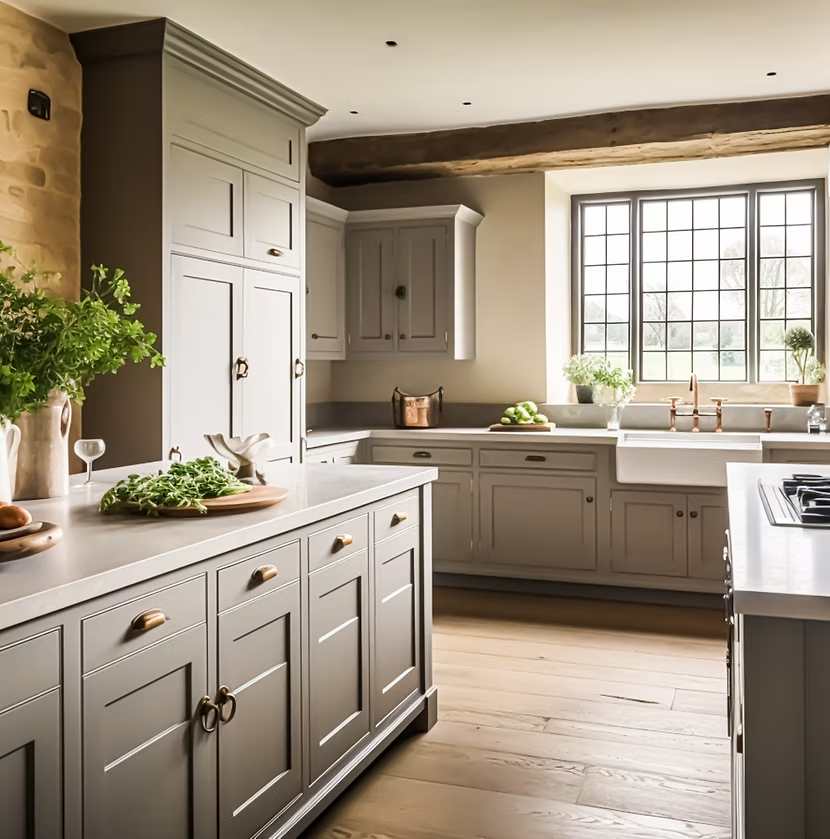
A home renovation can transform the way a property looks, feels, and functions.
Walls may be moved. Kitchens can be opened to living areas. New flooring may run through several rooms. Built-ins, doors, trim, lighting, and cabinetry can completely change the character of an interior.
But when the construction work is finished, there is often one final step that brings everything together: interior painting.
For homeowners in Greely and Stittsville, professional painting after a renovation can help turn individual upgrades into one cohesive interior.
Without a coordinated paint plan, newly renovated spaces can still feel unfinished. Fresh drywall may meet older walls. New trim may sit beside aging paint. Previous colors may no longer complement new flooring or cabinetry. Patched ceilings can remain visible around relocated lights or removed walls.
Painting creates the visual connection between these elements.
Low Mountain Painting provides professional interior painting throughout Greely, Stittsville, Manotick, Kanata, Barrhaven, Riverside South, and surrounding Ottawa communities, helping homeowners complete renovation projects with detailed preparation, coordinated colors, and clean professional finishes.
Why Painting Should Be Part of the Renovation Plan
Painting is sometimes treated as something to decide at the very end.
That can make color selection and project scheduling more difficult.
Ideally, painting should be considered while decisions are being made about:
- Flooring
- Cabinets
- Countertops
- Tile
- Lighting
- Trim
- Doors
- Built-ins
These permanent finishes influence which paint colors will work best.
Paint Is the Visual Connector
A renovation may introduce many new materials.
For example, a kitchen renovation could include:
- White cabinets
- Quartz countertops
- Wood flooring
- Black fixtures
- New backsplash
- New lighting
The wall color needs to connect these materials to the surrounding living and dining areas.
The right paint can make separate renovation choices feel intentional.
Why Renovated Homes Can Still Feel Unfinished
A room may have beautiful new materials but still look incomplete when:
- Old paint remains beside new drywall
- Wall patches are visible
- Trim colors vary
- Ceilings show repairs
- New and old rooms use unrelated colors
- Sheen changes from wall to wall
Painting helps eliminate these visual interruptions.
Start With the Permanent Finishes
Paint is relatively easy to change compared with:
- Flooring
- Cabinets
- Countertops
- Tile
- Stone
- Fireplace materials
For that reason, paint color should generally respond to the permanent finishes rather than forcing those finishes to work with a predetermined wall color.
Identify the Undertones
Materials that appear neutral may contain undertones.
A white cabinet might lean:
- Warm
- Cool
- Grey
- Cream
A wood floor might have:
- Golden
- Red
- Brown
- Grey
A countertop may contain several undertones at once.
Wall color should be evaluated beside these actual materials.
Coordinate Paint With New Flooring
Flooring occupies a large visual area.
Warm Hardwood
Possible wall directions include:
- Warm white
- Greige
- Taupe
- Soft beige
- Muted green
Light Oak
Light oak can work beautifully with:
- Warm white
- Soft greige
- Sage
- Muted blue
Dark Hardwood
Lighter walls can provide useful contrast and keep the room from feeling overly heavy.
Grey Flooring
Warm neutrals may help balance cooler flooring and prevent the interior from becoming excessively grey.
Coordinate Paint With Kitchen Cabinets
Kitchen renovations are one of the most common reasons homeowners reconsider their wall colors.
White Cabinets
White cabinetry provides flexibility, but the cabinet undertone matters.
A creamy cabinet may look mismatched beside a very cool white wall.
Wood Cabinets
Natural wood can pair well with:
- Warm white
- Greige
- Taupe
- Sage
- Muted blue
Dark Cabinets
Lighter walls can create contrast and prevent the kitchen from feeling too visually heavy.
Countertops Should Influence Wall Color
Countertops often contain subtle color variations.
Quartz, granite, and other surfaces may include:
- Warm veining
- Cool grey
- Beige
- Cream
- Brown
- Charcoal
Paint samples should be compared directly with the countertop rather than selected independently.
Don’t Forget the Backsplash
The backsplash may be smaller than the walls, but it can strongly influence undertones.
A backsplash with warm cream tones may clash with an icy white wall.
A cooler stone or tile may interact differently with beige or taupe.
All major fixed materials should be considered together.
Open-Concept Renovations Need a Color Strategy
Many renovations in Greely and Stittsville involve opening previously separated rooms.
A kitchen may now connect directly to:
- Dining room
- Living room
- Entryway
- Hallway
Once walls are removed, color relationships become much more important.
One Main Color Can Create Continuity
Using one primary neutral through connected areas can create a calmer, more cohesive interior.
Possible choices include:
- Warm white
- Greige
- Soft taupe
- Light beige
Individual rooms can still gain personality through furniture, artwork, built-ins, or selected accent colors.
One Color Does Not Have to Cover the Entire House
Cohesion does not mean every room must look identical.
A well-planned palette can include:
- One primary neutral
- One consistent trim color
- Several related accent colors
For example:
Main areas: warm greige
Office: muted green
Bedroom: soft blue-grey
Trim: warm white
The colors differ while still feeling related.
Use Architectural Breaks for Color Changes
Color changes should ideally happen where the architecture provides a natural stopping point.
Examples include:
- Inside corners
- Doorways
- Defined wall sections
- Separate rooms
Changing color in the middle of an uninterrupted wall can look arbitrary.
New Drywall Requires Proper Preparation
Renovations frequently introduce:
- New drywall
- Joint compound
- Patches
- Repaired openings
These surfaces should be properly prepared before finish paint.
New or repaired porous areas often require suitable primer so the final coating develops a more uniform appearance.
Why Primer Matters After Renovation
Fresh drywall compound absorbs paint differently from previously painted surfaces.
Without appropriate priming, homeowners may notice:
- Uneven sheen
- Dull patches
- Visible repair areas
Primer helps create a more consistent base.
Dust Must Be Removed Before Painting
Renovation work can produce significant dust.
It may settle on:
- Walls
- Trim
- Ceilings
- Door frames
Painting over construction dust can interfere with adhesion and finish quality.
Surfaces should be appropriately cleaned before painting begins.
Inspect Drywall Repairs Under Good Lighting
A patch may look smooth under one lighting condition and obvious under another.
Side lighting can reveal:
- Ridges
- Sanding marks
- Uneven compound
- Poor transitions
Inspection before painting provides an opportunity to correct these issues.
Painting Does Not Hide Poor Drywall Work
Paint adds color and finish.
It does not automatically hide:
- Raised joints
- Deep dents
- Rough patches
- Poor sanding
Surface preparation remains essential.
Renovation Painting Often Includes More Than Walls
A cohesive post-renovation painting project may involve:
- Walls
- Ceilings
- Baseboards
- Window trim
- Door frames
- Interior doors
- Built-ins
Evaluating all these surfaces together can produce a more complete result.
New Trim Can Make Old Trim Look Different
A renovation may introduce new:
- Baseboards
- Door casing
- Crown moulding
- Window trim
Even when new and existing trim are supposed to be the same white, age and previous coatings can create noticeable differences.
Repainting connected trim can help create consistency.
Trim Color Should Be Intentional
Common options include:
- Crisp white
- Warm white
- Soft off-white
- Wall-matching trim
- Contrasting trim
The best choice depends on the interior style.
White Trim Is Not Automatically Neutral
Like wall paint, white trim contains undertones.
A cool white may clash with:
- Cream cabinets
- Warm walls
- Beige tile
A warmer white may coordinate better in these situations.
Interior Doors Can Complete the Renovation
Old doors beside newly painted walls and trim may suddenly look more worn.
Door painting can help address:
- Scuffs
- Yellowing
- Old color
- Previous damage
Doors can match the trim or become a subtle design feature.
Dark Interior Doors Can Add Contrast
Some renovated interiors use:
- Charcoal
- Black
- Deep green
- Dark taupe
on selected doors.
This can work especially well when repeated through:
- Hardware
- Lighting
- Furniture
- Cabinet accents
Ceilings Should Be Evaluated After Renovations
Renovation work frequently affects ceilings.
Changes may include:
- Relocated lights
- Removed walls
- New electrical work
- Vent changes
- Drywall patches
Localized ceiling touch-ups can remain visible.
Why Full Ceiling Painting May Be Necessary
Even if only a small ceiling area was repaired, repainting the larger continuous ceiling may create a more uniform finish.
Differences in:
- Paint age
- Sheen
- Texture
- Application
can make spot repairs noticeable.
Open-Concept Ceilings Need Extra Attention
When several rooms share one continuous ceiling, inconsistency can become more visible.
A fresh ceiling can help visually connect the entire renovated area.
Lighting Changes Paint Color
Renovations often include new lighting.
That can completely change how existing paint looks.
New fixtures may use:
- Warmer light
- Cooler light
- Brighter output
- Different beam patterns
Wall colors should be evaluated under the lighting that will actually be used.
Natural Light Matters Too
Window direction influences color throughout the day.
North-Facing Rooms
Often receive cooler indirect light.
Warm whites, greige, taupe, and other balanced neutrals may help prevent the room from feeling overly cool.
South-Facing Rooms
Usually receive warmer, stronger daylight and can often support a wider range of colors.
East-Facing Rooms
Receive stronger morning light.
West-Facing Rooms
May become noticeably warmer during the afternoon.
Test Colors in the Renovated Space
Do not choose paint solely from:
- Online photographs
- Small chips
- Another person’s home
Test samples beside the actual:
- Flooring
- Cabinets
- Countertops
- Tile
- Trim
Observe them at different times of day.
Renovations Can Change How Existing Colors Look
Removing a wall can bring more daylight into an adjacent room.
Installing larger windows can change undertones.
New flooring can make an old wall color suddenly look:
- Cooler
- Warmer
- Greyer
- More yellow
This is why paint should often be reconsidered after significant renovations.
Warm Whites Work Well in Many Renovated Homes
Warm white remains a versatile option.
It can work with:
- Wood
- Stone
- Warm flooring
- Black fixtures
- Neutral cabinetry
It also provides a clean background without feeling overly stark.
Greige Can Bridge Warm and Cool Materials
Renovations sometimes combine:
- Warm wood
- White cabinets
- Grey countertops
- Black fixtures
Greige can help connect these elements because it contains both warm and cooler characteristics.
Taupe Can Add Depth
Soft taupe may work well when homeowners want more warmth and depth than white without making the walls feel dark.
It can complement:
- Natural stone
- Wood
- Cream
- Black accents
Muted Green Can Introduce Controlled Color
Sage and other muted greens can work beautifully in:
- Offices
- Bedrooms
- Dining areas
- Selected feature walls
They can introduce personality while remaining connected to a neutral whole-home palette.
Muted Blue Can Work as a Secondary Color
Soft blue or blue-grey may be appropriate for:
- Bedrooms
- Offices
- Bathrooms
However, it should be tested carefully in cooler north-facing rooms.
Avoid Chasing Every Trend
A renovation represents a significant investment.
The paint palette should support the homeowner’s:
- Architecture
- Materials
- Lighting
- Personal style
rather than relying entirely on a short-lived trend.
Accent Walls Should Have a Purpose
An accent wall works best when it highlights something intentional.
Good candidates may include:
- Fireplace walls
- Built-ins
- Headboard walls
- Office backgrounds
A random accent wall may make a renovated room feel less cohesive.
Fireplace Renovations Need Color Coordination
A new fireplace surround may include:
- Stone
- Brick
- Tile
- Wood
The wall color should coordinate with the fireplace material.
If the fireplace is already a strong focal point, surrounding walls may benefit from a quieter color.
Built-Ins Can Become Part of the Palette
Renovations may introduce:
- Bookcases
- Entertainment units
- Office cabinetry
- Mudroom storage
Built-ins can:
- Match the walls
- Match the trim
- Use an accent color
Each approach creates a different effect.
Wall-Matching Built-Ins
Painting built-ins close to the wall color can create a seamless architectural look.
This can be particularly effective in contemporary interiors.
Contrasting Built-Ins
Deep green, navy, charcoal, or taupe built-ins can create a focal point.
The accent should ideally connect with another element in the room.
Kitchen Renovations Benefit From Whole-Room Color Planning
Do not evaluate kitchen paint in isolation.
Consider sightlines into:
- Dining areas
- Living rooms
- Hallways
This is particularly important after removing walls.
Bathroom Renovations Need Appropriate Coatings
Bathrooms experience:
- Humidity
- Condensation
- Frequent cleaning
The selected coating should be appropriate for the environment.
Paint should not be used to cover active moisture problems.
Basement Renovation Painting
A newly finished basement may include:
- Family room
- Bedrooms
- Office
- Bathroom
- Storage
Because natural light may be limited, lighter neutrals can help maintain brightness.
Warm white, light greige, pale taupe, and muted sage can all be considered depending on flooring and lighting.
Renovated Home Offices
A home office may benefit from:
- Warm neutral
- Muted green
- Soft blue
- Deeper feature wall
The choice should support both concentration and the overall home palette.
Mudrooms Need Durable Finishes
Mudrooms experience:
- Shoes
- Bags
- Winter clothing
- Pets
- Frequent wall contact
Durability and washability can be particularly important in these spaces.
Hallways Connect the Renovation
Hallways are visually important because they connect rooms.
Using a consistent neutral through circulation areas can help different room colors feel related.
Staircases Should Not Be Forgotten
Renovations may update:
- Railings
- Flooring
- Stairs
- Lighting
The surrounding walls, trim, and ceiling should be considered as part of the same visual composition.
Choosing the Right Paint Finish
Color is only part of the decision.
Sheen also affects:
- Appearance
- Light reflection
- Washability
Different surfaces may benefit from different finishes.
Matte or Washable Matte
Premium washable matte products can create a soft, contemporary appearance.
They may work well in many living spaces depending on the selected product.
Eggshell
Eggshell is a versatile wall finish.
It provides subtle sheen and can offer practical cleanability for many rooms.
Satin
Satin may be useful in areas requiring additional durability or cleaning.
Product-specific performance matters more than relying on sheen alone.
Semi-Gloss
Semi-gloss is often used on:
- Trim
- Doors
- Selected architectural details
It creates greater contrast against lower-sheen walls.
Low-VOC Paint After Renovation
Renovations can already introduce:
- New materials
- Adhesives
- Flooring
- Cabinetry
Low-VOC paint can be a useful option when homeowners want to reduce paint-related emissions and strong odors during the finishing stage.
Product quality and durability should still be considered.
Painting Before Furniture Returns
One of the best times to paint is before rooms are fully furnished again.
This allows easier access to:
- Walls
- Trim
- Ceilings
- Doors
It can also reduce the amount of furniture protection and movement required.
Coordinate Painting With Final Construction Work
Painting should be scheduled thoughtfully around remaining renovation tasks.
Other work may include:
- Electrical finishing
- Flooring
- Cabinet installation
- Trim carpentry
- Fixture installation
- Final cleaning
Poor sequencing can lead to unnecessary paint damage.
Avoid Painting Too Early
If heavy construction work remains, freshly painted walls may become:
- Scratched
- Dusty
- Dented
The project schedule should reduce the amount of repair required after final painting.
Keep Some Paint for Future Touch-Ups
After the project, homeowners should keep accurate records of:
- Manufacturer
- Product
- Color
- Finish
A small amount of properly stored paint may also be useful for future maintenance.
Create a Whole-Home Paint Schedule
A renovation is a good opportunity to document the home’s palette.
For example:
Main walls: Color A
Bedrooms: Color B
Office: Color C
Trim: Color D
Ceilings: Color E
Doors: Color D
This simplifies future repainting.
Renovation Painting in Greely
Greely homes can feature:
- Larger floor plans
- Custom finishes
- Open-concept interiors
- Natural wood
- Stone
- Expansive windows
Post-renovation painting should complement these architectural and material choices.
A cohesive palette can help newly renovated areas feel integrated with the rest of the home.
Renovation Painting in Stittsville
Stittsville includes homes from many different periods and styles.
Renovations may involve modernizing:
- Kitchens
- Main floors
- Basements
- Bathrooms
- Home offices
Interior painting can help connect newly updated areas with portions of the home that remain unchanged.
Connecting New and Existing Spaces
This is one of the biggest post-renovation challenges.
A homeowner may renovate the kitchen and living room while leaving nearby bedrooms or hallways unchanged.
The new palette should create a logical transition.
This does not require repainting every room, but adjoining colors should be evaluated together.
How to Make an Addition Feel Like Part of the Original Home
Home additions present a similar challenge.
The new space should not feel visually detached.
Using consistent:
- Trim colors
- Ceiling colors
- Undertones
- Related wall colors
can help the addition feel integrated with the existing home.
Should the Entire Main Floor Be Repainted After a Renovation?
Not always.
It may make sense when:
- Walls were removed
- New drywall was installed
- The old color no longer coordinates
- Several rooms now share sightlines
- Existing paint is visibly aged
In other cases, selected rooms may be enough.
When Can Existing Paint Stay?
Existing paint may remain when it is:
- In good condition
- Compatible with the new palette
- Consistent in sheen
- Free from significant damage
The goal should be cohesion, not unnecessary repainting.
Common Post-Renovation Painting Mistakes
Choosing Paint Before Finalizing Permanent Materials
Flooring, cabinets, tile, and countertops should influence paint selection.
Painting Over Construction Dust
Surfaces need proper cleaning first.
Skipping Primer on New Drywall
Fresh compound and drywall may absorb paint differently.
Ignoring Old Trim
Fresh walls can make yellowed or damaged trim more obvious.
Spot-Painting Large Ceiling Repairs
Repairs may remain visible.
Using Too Many Unrelated Colors
This can make an open layout feel fragmented.
Ignoring Lighting
New fixtures can change how colors appear.
Choosing Color From Online Photos Alone
The same paint can look dramatically different in another home.
Rushing the Final Painting Stage
The last step deserves the same attention as the rest of the renovation.
A Post-Renovation Painting Checklist
Before painting, ask:
- Is all major construction finished?
- Are drywall repairs complete?
- Has construction dust been removed?
- Is new drywall properly prepared?
- Are ceilings patched?
- Do walls coordinate with flooring?
- Do they coordinate with cabinetry?
- Are countertop undertones considered?
- Does trim need repainting?
- Do interior doors need refreshing?
- Are connected rooms visually compatible?
- Have samples been tested under actual lighting?
This helps prevent last-minute color problems.
Why Professional Post-Renovation Painting Makes a Difference
Renovation painting often requires more planning than a simple room repaint.
Painters may need to work with:
- New drywall
- Old painted surfaces
- Repairs
- New trim
- Existing trim
- Patched ceilings
- Multiple connected spaces
The goal is not merely to add color.
It is to make the renovation feel finished.
Low Mountain Painting provides professional interior painting throughout Greely, Stittsville, Manotick, Kanata, Barrhaven, Riverside South, and surrounding Ottawa communities, helping homeowners complete renovations with detailed preparation, coordinated color planning, and consistent professional finishes.
Conclusion
A renovation is not truly finished when the last cabinet is installed or the final light fixture is connected.
The interior still needs to feel visually complete.
For homeowners in Greely and Stittsville, professional interior painting can help connect new materials, old architecture, repaired surfaces, and adjoining rooms into one cohesive design.
The process should begin with the permanent finishes.
Flooring, cabinetry, countertops, tile, stone, and built-ins should guide the paint palette. Undertones should be evaluated carefully. Natural and artificial lighting should be considered. Samples should be tested in the renovated space rather than selected solely from a small paint chip.
Preparation is equally important.
New drywall and repaired areas require appropriate preparation and priming. Construction dust should be removed. Ceiling repairs should be inspected. Old trim and doors should be evaluated beside the newly renovated surfaces.
In open-concept spaces, one primary neutral can create continuity while related accent colors provide personality.
In homes where only part of the interior has been renovated, thoughtful color transitions can help the new space feel connected to what remains.
Painting is therefore more than the decorative step at the end of a renovation.
It is the finishing layer that can make separate renovation decisions feel like one complete home.
Low Mountain Painting provides professional interior painting throughout Greely, Stittsville, Manotick, Kanata, Barrhaven, Riverside South, and surrounding Ottawa communities, helping homeowners bring renovated interiors together with clean preparation, thoughtful color coordination, and professional finishes.
Frequently Asked Questions
When should interior painting happen during a renovation?
Final painting is usually completed after major dusty or damage-producing construction work has finished. The exact sequence should be coordinated with flooring, cabinetry, trim, electrical finishing, and other trades.
Should new drywall be primed before painting?
New drywall and joint compound are porous and generally require appropriate preparation and primer before finish coats to help create a consistent appearance.
Should the entire home be repainted after a renovation?
Not necessarily. Existing areas can remain when their paint is in good condition and coordinates with the renovated space. Larger repainting projects may make sense when new sightlines or extensive repairs make the old and new areas visually inconsistent.
What colors work well after a modern renovation?
Warm white, greige, taupe, beige, muted green, and other restrained neutrals can work well, but the correct choice depends on flooring, cabinets, countertops, lighting, and personal style.
How do I make an open-concept renovation feel cohesive?
Consider using one primary wall color through the connected areas, a consistent trim and ceiling palette, and a limited number of related accent colors.
Should paint match the flooring?
It does not need to match exactly. The undertones should coordinate so the flooring and walls feel intentional together.
Should the walls match new kitchen cabinets?
Not necessarily. Contrast can be attractive, but the undertones should work together. A warm cabinet white, for example, may not coordinate well with every cool white wall color.
Should ceilings be repainted after renovation work?
They may need repainting if lights were relocated, walls were removed, drywall was repaired, or old paint no longer looks consistent. A large continuous ceiling may look better when repainted rather than spot-touched.
Can I paint directly over drywall repairs?
Repairs should first be sanded, cleaned, and appropriately primed. Painting directly over porous compound can produce differences in sheen or appearance.
Is low-VOC paint a good option after a renovation?
Yes. Low-VOC products can reduce paint-related emissions and strong odors while offering durable options for many interior applications.
What paint finish is best after a renovation?
There is no single finish for the entire home. Matte or eggshell may suit many walls, while satin or semi-gloss may be appropriate for selected high-use surfaces, doors, and trim. Product performance and room conditions should guide the choice.
How can I make a newly renovated room connect with older areas of the house?
Use compatible undertones, consistent trim and ceiling colors, and a limited whole-home palette. The rooms do not need to be identical, but they should feel related.
Should I choose paint before or after flooring and cabinets?
When possible, finalize major permanent materials first. Paint offers far more color flexibility than flooring, cabinetry, countertops, and tile.
Why hire professional painters after a renovation in Greely or Stittsville?
Post-renovation painting often involves new drywall, existing walls, ceiling repairs, new and old trim, and multiple connected finishes. Professional painters can prepare these surfaces properly and help create a consistent finish that makes the renovation feel complete.