

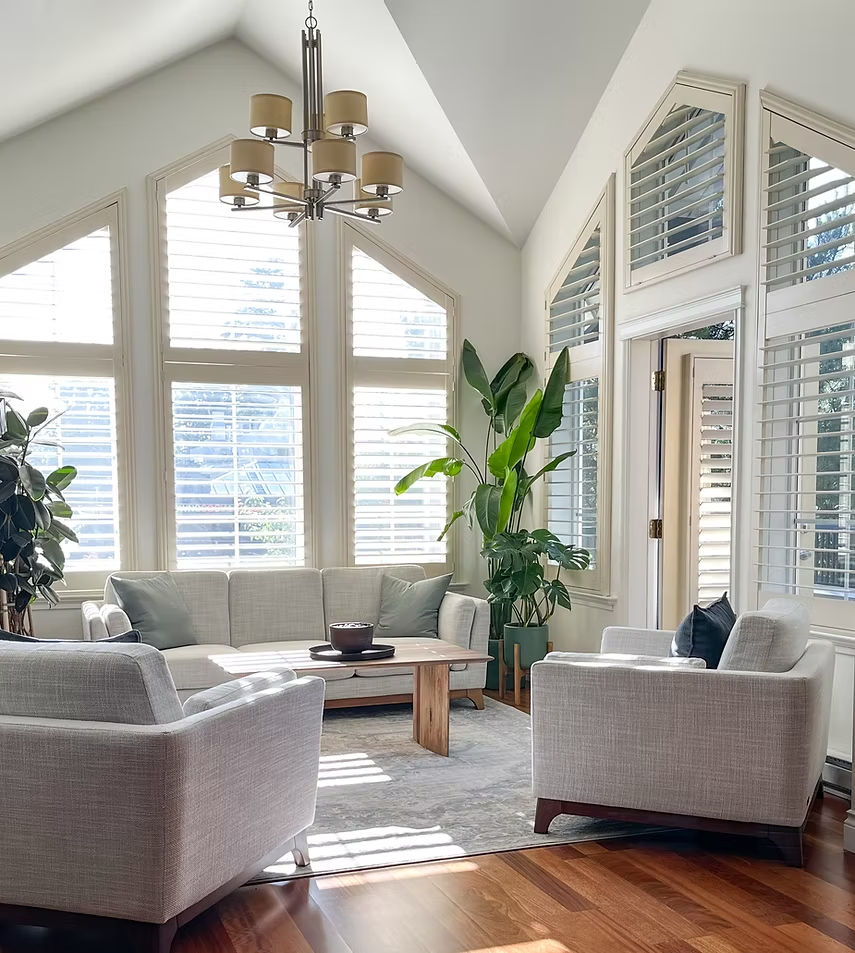
When homeowners plan an interior painting project, walls usually receive most of the attention.
They compare whites, greige, taupe, green, blue, and other colors. They consider accent walls, trim, doors, cabinetry, and flooring. The ceiling may receive little thought beyond the assumption that it should stay exactly as it is.
That can be a missed opportunity.
For homeowners in Manotick and Riverside South, ceiling painting can make a surprisingly noticeable difference to the way an entire room feels.
A ceiling occupies a large uninterrupted surface. Over time, it can become dull, yellowed, marked, uneven, or visually disconnected from freshly painted walls. Old repairs may become noticeable. Previous touch-ups can show. Changes to lighting fixtures may expose unpainted areas or color differences.
Once the walls receive a clean new finish, an older ceiling can suddenly become much more obvious.
Professional ceiling painting can help create a room that feels brighter, cleaner, more consistent, and completely finished rather than partially refreshed.
Low Mountain Painting provides professional interior painting throughout Manotick, Riverside South, Kanata, Barrhaven, Stittsville, Greely, and surrounding Ottawa communities, including walls, ceilings, trim, doors, and complete interior painting projects.
Why Homeowners Often Overlook Ceilings
Ceilings are easy to ignore because people do not interact with them the way they interact with walls.
Walls collect:
- Fingerprints
- Furniture marks
- Artwork holes
- Scuffs
- Scratches
The need to repaint them is usually obvious.
Ceiling deterioration is often much more gradual.
A homeowner may not notice how much the ceiling has changed until the walls are freshly painted.
Ceilings Are a Major Part of the Room
Even though the ceiling is overhead, it influences the entire interior.
Its color can affect the perception of:
- Brightness
- Height
- Cleanliness
- Room size
- Contrast
- Architectural detail
A ceiling should therefore be considered part of the overall color palette.
Fresh Walls Can Make an Old Ceiling Look Worse
Imagine repainting a living room in a clean warm white.
The walls suddenly look:
- Fresh
- Bright
- Consistent
The older ceiling may now appear:
- Grey
- Yellow
- Dull
- Patchy
The ceiling did not necessarily change overnight.
The new walls simply created a cleaner reference point.
Ceiling Paint Can Discolor Over Time
Several factors can change a ceiling’s appearance.
These may include:
- Age
- Dust
- Cooking residue
- Previous smoking
- Fireplace residue
- Moisture
- Old repairs
- Uneven previous painting
Discoloration may happen slowly enough that homeowners become accustomed to it.
White Is Not One Universal Color
One common mistake is assuming every ceiling white is identical.
Whites can contain undertones of:
- Blue
- Grey
- Yellow
- Beige
- Green
A ceiling white should coordinate with the wall and trim colors.
Fresh White Ceilings Can Improve Perceived Brightness
A clean, light-colored ceiling can reflect available light around the room.
This can be particularly helpful in:
- Hallways
- Basements
- Small bedrooms
- Interior rooms
- Lower-light living spaces
Painting cannot create natural light where none exists, but a clean, light ceiling can help the room make better use of the light it has.
Ceiling Paint Matters in Riverside South Open-Concept Homes
Many Riverside South homes feature open layouts connecting:
- Kitchens
- Dining areas
- Living rooms
- Hallways
The ceiling may run continuously across several of these spaces.
If the ceiling is discolored or inconsistent, the problem can affect the entire main floor.
A fresh, continuous ceiling finish can visually connect the rooms.
Ceiling Painting in Manotick Homes
Manotick homes can include a wide variety of architectural styles.
Ceilings may feature:
- Crown moulding
- Vaulted sections
- Coffered details
- Beams
- Open-concept layouts
- Traditional rooms
In these homes, ceiling color can become an intentional design element rather than simply a background surface.
Ceiling Painting Can Make Trim Look Better
Ceilings interact directly with:
- Crown moulding
- Upper wall edges
- Beams
Fresh ceiling paint can create cleaner contrast with architectural trim.
If crown moulding is freshly painted but the ceiling remains dull, the difference may be noticeable.
Ceiling Painting Can Complete a Whole-Home Repaint
When repainting an entire home, homeowners often ask whether ceilings should be included.
It depends on their condition.
If ceilings remain:
- Clean
- Consistent
- Undamaged
- Compatible with the new palette
they may not require repainting.
However, worn or discolored ceilings can prevent a whole-home project from feeling completely refreshed.
When Should a Ceiling Be Repainted?
There is no universal schedule.
Instead, inspect the ceiling for visible signs.
These can include:
- Discoloration
- Yellowing
- Uneven color
- Visible patches
- Stains
- Scuffs
- Cracks
- Old fixture outlines
- Previous touch-ups
Condition matters more than a fixed number of years.
Water Stains Need Investigation First
A ceiling stain should not automatically be covered with paint.
The first question is:
Why is the stain there?
Possible causes include:
- Plumbing leaks
- Roof leaks
- Condensation
- Previous moisture problems
The source should be identified and corrected before cosmetic painting.
Paint Does Not Fix an Active Leak
This is one of the most important rules in ceiling painting.
Fresh paint can cover a properly treated residual stain after the moisture source has been corrected and the surface is dry.
It cannot solve active water intrusion.
Painting too early may simply allow the stain or damage to return.
Some Stains Need Appropriate Primer
Certain stains can migrate through ordinary finish paint.
After the source has been corrected and the ceiling is appropriately dry and prepared, a suitable stain-blocking primer may be required.
The correct primer depends on:
- Stain type
- Ceiling material
- Existing coating
Ceiling Cracks Should Be Evaluated
Small cosmetic cracks may sometimes be repaired as part of preparation.
However, significant, recurring, or unusual cracks may indicate movement or another issue requiring further evaluation.
Paint should not be used to disguise a potentially important underlying problem.
Previous Repairs Can Become Highly Visible
Ceiling repairs may show because of:
- Different texture
- Uneven sanding
- Different sheen
- Poor priming
- Localized touch-ups
Ceiling lighting can make these defects particularly noticeable.
Side Lighting Reveals Ceiling Imperfections
Light entering from windows or fixtures can travel across a ceiling at a shallow angle.
This may reveal:
- Roller marks
- Patches
- Ridges
- Uneven texture
Good preparation becomes particularly important on large, open ceilings.
Why Flat Ceiling Paint Is Common
Flat finishes are frequently used on ceilings because they reflect less direct light and can help minimize the appearance of minor surface imperfections.
A higher sheen can make defects more noticeable.
However, the best finish depends on:
- Room use
- Ceiling condition
- Product
- Desired appearance
Bathrooms May Need Different Consideration
Bathroom ceilings encounter:
- Humidity
- Condensation
- Temperature changes
A coating appropriate for the environment may be more suitable than an ordinary flat ceiling product.
Ventilation should also be working properly.
Paint cannot compensate for persistent moisture problems.
Kitchen Ceilings Can Accumulate Residue
Kitchens produce:
- Steam
- Cooking vapours
- Airborne grease
Over time, this can contribute to discoloration.
Ceiling surfaces may require appropriate cleaning before repainting.
Should Every Ceiling Be White?
No.
White is popular because it is flexible and can help maintain brightness, but ceilings can be painted many colors.
Possible approaches include:
- Bright white
- Warm white
- Soft off-white
- A lighter version of the wall color
- The same color as the walls
- A deliberate darker accent
The right choice depends on the room.
Warm White Ceilings
Warm white can coordinate beautifully with:
- Beige
- Greige
- Taupe
- Warm wood
- Cream trim
It can create a softer transition than a very cool bright white.
Bright White Ceilings
A brighter white can work particularly well with:
- Crisp white trim
- Cooler neutrals
- Contemporary interiors
However, a very cool ceiling white beside warm walls may create more contrast than expected.
Matching Ceiling and Trim Colors
Using the same white family for the ceiling and trim can create consistency.
The finishes can still differ.
For example:
Ceiling: flat
Trim: satin or semi-gloss
This allows the architectural trim to have greater definition.
Painting the Ceiling the Same Color as the Walls
Using the wall color on the ceiling can create an immersive effect.
This approach may work particularly well in:
- Bedrooms
- Offices
- Powder rooms
- Dens
The result depends heavily on color depth and lighting.
Color Drenching Can Include the Ceiling
Color drenching extends one color, or closely related colors, across:
- Walls
- Ceiling
- Trim
- Doors
It can create a sophisticated and cohesive interior.
This approach is especially effective when the homeowner intentionally wants an enveloping atmosphere.
Dark Ceilings Can Create Drama
A dark ceiling can be effective in:
- Home theatres
- Dining rooms
- Offices
- Rooms with high ceilings
Possible colors include:
- Charcoal
- Navy
- Deep green
- Dark taupe
This is a deliberate design decision rather than a strategy for maximizing brightness.
High Ceilings Offer More Color Flexibility
Rooms with high or vaulted ceilings can often support stronger ceiling colors.
A darker ceiling may make an extremely tall room feel:
- More intimate
- More grounded
- More architecturally defined
Low Ceilings Usually Benefit From Simplicity
For rooms with lower ceilings, a light color can help maintain an open feeling.
A low-contrast transition between wall and ceiling can also reduce the visual line dividing the surfaces.
Vaulted Ceilings Need Careful Color Planning
Vaulted ceilings create more visible surface area than standard ceilings.
They may also receive light differently across each plane.
Before painting, consider:
- Window direction
- Beam color
- Wall color
- Ceiling height
- Lighting
Ceiling Beams Can Become Architectural Features
In some Manotick homes, beams may be an important part of the interior design.
They can:
- Remain natural wood
- Match trim
- Contrast with the ceiling
- Be painted a deeper accent color
The ceiling color should support the intended architectural effect.
Coffered Ceilings Offer Multiple Options
Coffered ceilings may use:
- One consistent white
- Contrasting recessed panels
- Painted moulding
- Subtle tonal differences
These details can become much more noticeable after professional painting.
Ceiling Painting Can Help Open-Concept Spaces Feel Consistent
Open-concept layouts may contain several wall colors or materials.
A consistent ceiling can provide a visual element that connects the entire space.
This can be especially useful when the kitchen, dining room, and living room share one ceiling plane.
Lighting Fixtures Can Reveal Old Paint
Replacing a light fixture may expose:
- Unpainted areas
- Old color
- Fixture outlines
- Previous ceiling repairs
Painting the ceiling can create a more consistent background around the new fixture.
Pot Light Changes Can Also Leave Marks
Adding, removing, or relocating recessed lighting may require ceiling repairs.
Those repairs should be:
- Properly patched.
- Sanded.
- Primed.
- Repainted.
Spot painting alone may leave visible differences.
Ceiling Painting After Renovations
Renovations frequently affect ceilings.
Projects may involve:
- New walls
- Electrical changes
- Lighting
- Ventilation
- Plumbing
- Cabinet changes
Even when the ceiling was not part of the original renovation plan, repairs may make repainting necessary for a consistent finish.
Ceiling Painting Before Moving In
Painting ceilings before furniture arrives can simplify the project.
An empty home allows easier:
- Floor protection
- Ladder access
- Equipment movement
- Room sequencing
Homeowners purchasing a Manotick or Riverside South property may therefore choose to refresh ceilings before moving in.
Ceiling Painting Before Selling
A clean ceiling can support the overall presentation of a home.
Prospective buyers may notice:
- Stains
- Cracks
- Uneven patches
- Discoloration
Fresh ceiling paint can help a properly maintained interior feel more complete.
However, active defects should never simply be concealed for presentation.
Don’t Paint Over Problems to Hide Them
Painting should be the final cosmetic step after underlying issues have been addressed.
That includes:
- Active leaks
- Persistent condensation
- Significant drywall damage
- Unresolved staining sources
Proper preparation protects both the finish and the homeowner.
Ceiling Painting in Living Rooms
Living-room ceilings can have a large visual impact because the rooms are often:
- Larger
- Brighter
- Open to adjacent spaces
Fresh ceiling paint can make newly painted walls feel more complete.
Ceiling Painting in Kitchens
Kitchen ceiling paint should coordinate with:
- Cabinets
- Wall color
- Lighting
- Trim
If cabinets are warm white, an extremely cool ceiling white may create an unintended mismatch.
Ceiling Painting in Bedrooms
Bedrooms offer greater flexibility.
Options may include:
- White
- Warm white
- A pale version of the wall color
- Full color drenching
The desired atmosphere should guide the decision.
Ceiling Painting in Home Offices
A home office can use the ceiling to influence the room’s character.
A light ceiling supports a bright workspace.
A darker ceiling can create a more enclosed, sophisticated office when there is sufficient light.
Basement Ceiling Painting
Basements often have lower ceilings and limited natural light.
Light ceiling colors can help maintain brightness.
However, exposed basement ceilings may require a completely different preparation and coating strategy than finished drywall ceilings.
Stairwell Ceilings Can Be Difficult to Reach
Stairwells may have:
- High walls
- Angled ceilings
- Limited ladder placement
Professional equipment and planning can make these areas safer and produce more consistent coverage.
Why Ceiling Painting Is More Difficult Than It Looks
Painting overhead for extended periods presents practical challenges.
A professional ceiling project requires attention to:
- Floor protection
- Furniture protection
- Cutting around fixtures
- Consistent rolling
- Maintaining a wet edge
- Working around architectural details
Large ceilings can show application inconsistencies more readily than homeowners expect.
Protecting Floors and Furniture
Ceiling painting creates greater potential for:
- Drips
- Roller spatter
- Dust from sanding
Professional preparation includes protecting the room before work begins.
Remove or Protect Fixtures
Depending on the project, painters may need to work around:
- Light fixtures
- Smoke alarms
- Ceiling fans
- Vents
Appropriate protection helps produce cleaner edges.
Electrical fixtures should only be removed or handled when it can be done safely and appropriately.
Surface Cleaning May Be Necessary
Not every ceiling can simply be painted immediately.
Kitchens, fireplaces, or long-occupied homes may have surface contamination.
Painting over dirt or residue can affect the final result.
Sanding Ceiling Repairs
Patches should be sanded smooth enough to blend with the surrounding surface.
However, sanding technique should respect any existing ceiling texture.
An aggressive repair can create a smooth patch that stands out against a textured ceiling.
Textured Ceilings Require Special Care
Not all ceilings are smooth drywall.
Some homes may contain:
- Popcorn texture
- Stipple
- Other decorative textures
The existing material should be identified before cleaning, scraping, sanding, or disturbing it.
Older Textured Ceilings Need Additional Caution
Older building materials can sometimes contain substances that should not be disturbed without appropriate assessment.
Homeowners should not aggressively scrape or sand an unknown older ceiling texture simply to prepare it for paint.
If the material is uncertain, appropriate testing or professional guidance may be warranted before disturbance.
Ceiling Paint and Natural Light
A ceiling near large windows may appear brighter during the day.
Rooms with limited windows may depend more heavily on artificial light.
This means the same ceiling color can look different in different parts of the house.
Artificial Lighting Changes Ceiling Color
Warm bulbs can make a white ceiling appear:
- Creamier
- Softer
- More yellow
Cooler bulbs may make it appear:
- Crisper
- Greyer
- Bluer
The ceiling should therefore be evaluated with the room’s actual lighting.
Choose Ceiling White With Wall Undertones in Mind
If walls are warm greige, a slightly warm ceiling white may create better harmony.
If walls are cool blue-grey, a neutral or cooler white may feel more appropriate.
The goal is intentional coordination.
Should Every Room Use the Same Ceiling White?
Not necessarily.
Using one ceiling white throughout a home can simplify the palette and create consistency.
However, certain rooms may benefit from:
- Warmer white
- Wall-matching color
- A deeper accent
The overall design should guide the choice.
Whole-Home Ceiling Painting
When multiple ceilings are visibly aged, painting them together can create a significant transformation.
Benefits can include:
- Consistent color
- Cleaner transitions
- Fewer visible old repairs
- Better coordination with new walls
This can be especially effective before a whole-home wall repaint.
Paint the Ceiling Before the Walls
When both surfaces are being repainted, the ceiling is generally completed first.
This allows painters to address ceiling work before final wall coats.
Trim and other surfaces can then follow according to the planned project sequence.
Common Ceiling Painting Mistakes
Ignoring the Ceiling During a Wall Repaint
Fresh walls may make an old ceiling look more discolored.
Painting Over Active Water Stains
The moisture source should be corrected first.
Using Wall Paint Automatically
Ceiling coatings are often selected specifically for lower sheen and overhead application.
Skipping Primer on Repairs or Problem Stains
This can contribute to visible patches or stain bleed-through.
Choosing White Without Considering Undertones
The ceiling may clash with walls or trim.
Using Too Much Sheen on an Imperfect Ceiling
Reflected light can emphasize defects.
Spot-Painting a Large, Visible Ceiling
Localized touch-ups may remain noticeable.
Skipping Surface Preparation
Paint cannot hide every patch, crack, stain, or rough repair.
A Ceiling Inspection Checklist
Before deciding whether to repaint, look for:
- Yellowing
- Grey discoloration
- Water stains
- Cracks
- Visible drywall repairs
- Old touch-ups
- Marks around fixtures
- Uneven paint
- Peeling
- Texture damage
Then determine whether any underlying problem requires attention first.
When Can a Ceiling Be Left Alone?
Repainting may not be necessary when the ceiling remains:
- Clean
- Uniform
- Undamaged
- Compatible with the new wall palette
A professional interior painting project should focus on what the room actually needs rather than adding unnecessary work.
When Does Ceiling Painting Make the Biggest Difference?
Ceiling painting can be particularly noticeable when:
- Walls are being changed from dark to light
- The existing ceiling has yellowed
- Renovations created repairs
- Lighting fixtures were changed
- The home is receiving a full interior refresh
- The ceiling contains old stains from resolved issues
- Adjacent trim has recently been painted
Ceiling Painting in Manotick
For Manotick homeowners, ceiling painting can help refresh both traditional and modern interiors.
It can complement:
- Crown moulding
- Wood features
- Open layouts
- Vaulted ceilings
- Architectural details
The goal is to respect the character of the home while creating a cleaner finish.
Ceiling Painting in Riverside South
Riverside South homes often feature modern layouts with connected living areas.
Because ceilings may extend across multiple rooms, an inconsistent or aging finish can be especially visible.
A fresh ceiling can help connect:
- Kitchen
- Dining
- Living
- Hallways
into one more cohesive interior.
Why Professional Ceiling Painting Makes a Difference
Ceiling painting requires more than rolling white paint overhead.
A professional approach considers:
- Surface condition
- Repairs
- Stains
- Primer requirements
- Existing texture
- Lighting
- Color
- Sheen
- Floor and furniture protection
Low Mountain Painting provides professional interior painting throughout Manotick, Riverside South, Kanata, Barrhaven, Stittsville, Greely, and surrounding Ottawa communities, helping homeowners refresh walls, ceilings, trim, doors, and complete interiors with detailed preparation and clean professional finishes.
Conclusion
Ceilings may not be the first surface homeowners think about when planning an interior painting project, but they can have a surprisingly large effect on the finished room.
For homeowners in Manotick and Riverside South, a freshly painted ceiling can help an interior feel cleaner, brighter, more consistent, and more complete.
The difference becomes particularly noticeable when walls have recently been repainted.
A ceiling that once seemed acceptable may suddenly reveal:
- Discoloration
- Old patches
- Fixture outlines
- Stains
- Uneven touch-ups
Ceiling painting also creates opportunities beyond basic white.
Warm whites can soften traditional interiors. Bright whites can support crisp contemporary palettes. Matching walls and ceilings can create an immersive look, while deeper ceiling colors can add architectural character to selected rooms.
Preparation remains essential.
Active leaks and moisture problems should be corrected before painting. Repairs should be properly prepared. Problem stains may require suitable primer. Unknown older ceiling textures should not be aggressively disturbed without understanding what material is present.
When the ceiling is properly prepared and coordinated with the walls, trim, lighting, and architecture, the entire room can feel more intentional.
Low Mountain Painting provides professional ceiling and interior painting throughout Manotick, Riverside South, Kanata, Barrhaven, Stittsville, Greely, and surrounding Ottawa communities, helping homeowners achieve cohesive, professionally finished interiors.
Frequently Asked Questions
Does painting a ceiling really make a noticeable difference?
Yes. A ceiling is a large surface, and repainting can make a room feel cleaner, brighter, and more consistent, particularly when the walls have also been refreshed.
Should ceilings always be painted white?
No. White is versatile, but ceilings can also use warm white, off-white, a lighter version of the wall color, the same wall color, or a deliberately darker accent.
What finish is commonly used on ceilings?
Flat finishes are commonly used because their lower sheen can help minimize the appearance of minor imperfections. The best product still depends on the room and surface conditions.
Should bathroom ceilings use regular ceiling paint?
Bathrooms experience greater humidity and condensation, so a coating appropriate for that environment may be more suitable. Adequate ventilation and correction of any active moisture problems are also important.
Can I simply paint over a water stain?
The source of the moisture should be identified and corrected first. Once the ceiling is dry and properly prepared, the residual stain may require an appropriate stain-blocking primer before finish paint.
Why does my ceiling look yellow beside newly painted walls?
The ceiling may have gradually discolored from age, residue, environmental exposure, or an older paint color. Fresh walls can make that difference much easier to see.
Should ceilings be painted during a whole-home repaint?
It depends on their condition. Clean and consistent ceilings may not need repainting, while discolored, damaged, patched, or mismatched ceilings can benefit significantly from being included.
Can a ceiling be the same color as the walls?
Yes. Using the same color on walls and ceilings can create a cohesive or immersive effect, particularly in bedrooms, offices, dens, and smaller rooms.
Can dark ceiling paint work?
Yes. Dark ceilings can add depth and drama to dining rooms, offices, home theatres, and rooms with higher ceilings. Lighting and room proportions should be considered carefully.
Should ceilings be painted before walls?
When both are part of the same project, ceilings are generally completed before final wall painting so the work can proceed in an efficient sequence.
Why are ceiling touch-ups sometimes visible?
Differences in paint age, sheen, application technique, surface texture, and lighting can make localized repairs or touch-ups noticeable. Repainting a larger continuous area may provide a more uniform result.
Can paint hide ceiling cracks?
Paint may cover very minor repaired cosmetic cracks, but it does not correct the cause of cracking. Significant, unusual, or recurring cracks should be evaluated before cosmetic painting.
Is it safe to scrape an old textured ceiling before painting?
Not automatically. Older ceiling textures should be identified before they are aggressively scraped, sanded, or otherwise disturbed. If the material is uncertain, appropriate professional guidance or testing may be necessary.
Why hire professional ceiling painters in Manotick or Riverside South?
Professional painters can assess stains, repairs, texture, primer requirements, color, sheen, lighting, and surface protection while providing more consistent coverage across large overhead surfaces.
